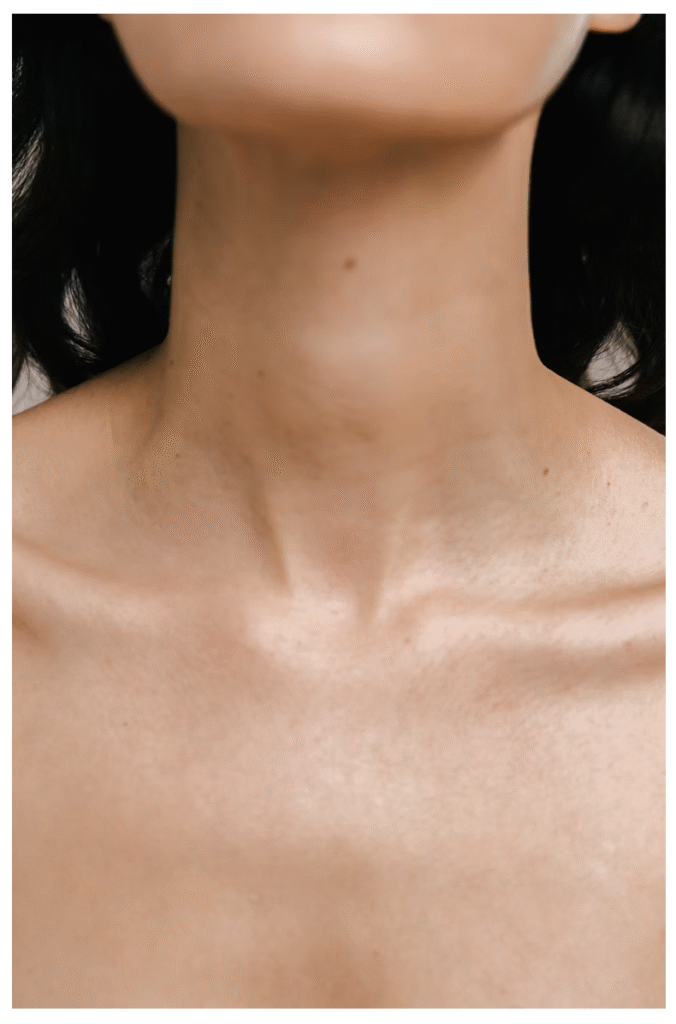
Hashimoto’s thyroiditis is an autoimmune condition where the immune system mistakenly attacks the thyroid gland, leading to inflammation and, over time, reduced thyroid hormone production. It’s the most common cause of hypothyroidism in the United States, especially among women.
While medications like levothyroxine play a vital role in managing thyroid hormone levels, nutrition and lifestyle can significantly influence how well the thyroid functions, how balanced your immune system remains, and how you feel day to day. The “Hashimoto’s diet” isn’t a one-size-fits-all meal plan, it’s a way of eating that supports your thyroid, gut, and immune system in harmony.
1. The Goal of eating for Hashimoto’s
The main goals of a Hashimoto’s-supportive diet are to:
- Reduce chronic inflammation that drives autoimmune activity.
- Support optimal thyroid hormone production and conversion.
- Stabilize blood sugar and energy levels.
- Support gut health, since 70–80% of the immune system lives in the gut.
- Identify and reduce food sensitivities that may trigger immune responses.
The right nutrition plan helps address the root causes, not just the symptoms, of thyroid imbalance.
2. Core Principles of Eating for Hashimoto’s
Focus on Whole, Anti-Inflammatory Foods
Whole, unprocessed foods help calm inflammation and provide the nutrients your thyroid and immune system rely on. Emphasize:
- Fruits and vegetables: Aim for color and variety. Berries, leafy greens, cruciferous veggies (like broccoli and cauliflower), and sweet potatoes offer antioxidants that combat inflammation.
- Healthy fats: Olive oil, avocados, nuts, seeds, and fatty fish (salmon, sardines) provide omega-3s that reduce inflammation and support hormone production.
- Lean proteins: Poultry, fish, eggs, and plant proteins help stabilize blood sugar and support muscle and immune health.
- Fiber-rich foods: Whole grains, beans, and lentils (if tolerated) support gut and hormone balance.
Balance Blood Sugar to Protect the Thyroid
Blood sugar swings can increase cortisol (the stress hormone), which in turn suppresses thyroid function and worsens fatigue.
Support steady energy by:
- Pairing protein + fiber + healthy fat at each meal.
- Avoiding long gaps between meals.
- Limiting refined sugars and ultra-processed snacks.
Even simple habits, like starting your day with a protein-rich breakfast—can stabilize energy and help regulate hormones.
3. Gut Health and Hashimoto’s
Emerging research shows a strong connection between gut health and autoimmunity. An imbalanced microbiome or a “leaky gut” can trigger immune reactions that contribute to Hashimoto’s flares.
Support your gut by:
- Eating prebiotic foods (garlic, onions, asparagus, bananas, oats).
- Including fermented foods (yogurt, kefir, sauerkraut, kimchi).
- Reducing excessive alcohol, processed foods, and added sugars that harm gut bacteria.
- Considering probiotics or digestive support (with your healthcare provider’s guidance).
A balanced gut microbiome helps regulate inflammation and immune activity, making it a cornerstone of Hashimoto’s care.
4. Key Nutrients for Thyroid Support
The thyroid gland depends on specific nutrients to produce hormones efficiently. Focus on getting adequate amounts through food first, and consider testing your levels before supplementing.
| Nutrient | Role in Thyroid Health | Food Sources |
|---|---|---|
| Iodine | Needed for T3 and T4 hormone production | Seaweed, iodized salt (avoid excess) |
| Selenium | Helps convert T4 → active T3 hormone, reduces thyroid antibodies | Brazil nuts, tuna, eggs, sunflower seeds |
| Zinc | Supports hormone synthesis and immune balance | Pumpkin seeds, beef, lentils |
| Iron | Needed for thyroid enzyme function | Red meat, spinach, beans |
| Vitamin D | Modulates immune activity | Sunlight, fortified foods, salmon |
| B vitamins | Support energy metabolism and nerve health | Eggs, leafy greens, whole grains |
Note: Too much iodine can worsen autoimmune thyroid conditions, always discuss supplementation with your healthcare provider.
5. Foods That May Trigger Inflammation
Certain foods can increase inflammation or contribute to immune reactivity in those with Hashimoto’s. Common culprits include:
- Gluten: Some studies suggest higher rates of gluten sensitivity or celiac disease in those with Hashimoto’s. A gluten free trial period can help identify if it makes a difference.
- Highly processed foods: Fried foods, refined oils (soybean, corn, canola in excess), and added sugars promote inflammation.
- Dairy: Some individuals notice improvement when reducing or removing dairy products.
- Artificial additives: Preservatives and food dyes can sometimes trigger immune responses in sensitive individuals.
Instead of restriction for restriction’s sake, focus on identifying foods that make you feel your best, keeping a food symptom journal can help.
6. Lifestyle Habits That Complement Nutrition
Hashimoto’s isn’t just about diet, it’s about overall lifestyle balance.
Consider incorporating:
- Stress management: Chronic stress raises cortisol, which can suppress thyroid hormone conversion. Try meditation, breathwork, or gentle yoga.
- Movement: Moderate exercise, strength training, and daily walking improve insulin sensitivity and energy levels.
- Sleep: Aim for 7–9 hours nightly to support hormone repair and immune function.
- Consistent meals: Skipping meals or crash diets can slow metabolism further and worsen fatigue.
7. Putting It All Together
The Hashimoto’s diet focuses on healing from the inside out. By choosing anti-inflammatory foods, supporting your gut, balancing blood sugar, and replenishing key nutrients, you can help calm autoimmune activity and support optimal thyroid function.
Start simple:
- Add colorful vegetables to every meal.
- Include a serving of protein at breakfast.
- Replace refined oils with olive oil or avocado.
- Try one fermented food daily.
- Listen to your body’s energy and symptom signals.
Small, consistent steps create meaningful change, especially when paired with medical guidance and regular lab monitoring.